校長コラム:260508|「おもてなし」は、なぜ英語に訳せないのか Principal's Column: May 2026 — Why "Omotenashi" Cannot Simply Be Translated into English
2013年、東京オリンピックの招致プレゼンテーションで「おもてなし」という言葉が世界に広まりました。しかしあれから十数年が経ったいまも、この言葉を英語で正確に伝えることは、非常に難しいことです。
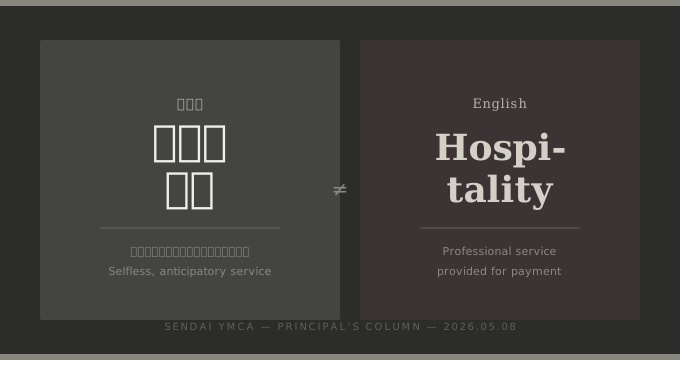
観点 | おもてなし | Hospitality |
|---|---|---|
見返り | 見返りを求めない | サービス対価として提供 |
主体 | 相手の気持ちを先読みして動く | 要望に応えることが基本 |
表裏 | 裏表なく、一貫した誠実さ | プロとしての役割に基づく |
文化背景 | 日本の美意識・精神性に根ざす | 西洋のホスピタリティ産業に基づく |
もちろん、どちらが「優れている」という話ではありません。しかし、この違いを理解しないまま国際的なホテルの現場に出ると、「なぜ日本のスタッフはあそこまでするのか」という驚きや感動を生む場面で、うまく言葉で説明できない場面が出てきます。
本校の授業では、ロールプレイや外国人ゲストとの対話を通じて、「なぜそのサービスをするのか」を英語で語る練習を繰り返しています。たとえば、チェックイン時にお客様の荷物を持つのはなぜか。浴衣の着付けをお手伝いするのはなぜか。こうした一つひとつの行為に、言語を超えた文化的な意味があります。
技術は教えられます。しかし「なぜそうするのか」という哲学は、自分自身が深く理解していなければ、決して外国のお客様には伝わりません。それを自分の言葉で語れるようになること——これがグローバルに活躍するホテルマンの第一条件です。
留学生のみなさんにとって、「おもてなし」は最初、不思議に映るかもしれません。「なぜそこまでするの?」と感じることもあるでしょう。でもその感覚は、とても大切なものです。母国の視点から日本のサービスを見つめ直せるのは、あなたたちにしかできないことです。その「違和感」を大切にしながら、ぜひ自分なりの答えを見つけていってください。
おもてなしとは、相手の心を先回りして、何も言わなくても「ありがとう」と思ってもらえる瞬間をつくることだと、私は思っています。
Omotenashi, I believe, is the art of anticipating another person's heart — creating a moment where they feel gratitude without a single word needing to be said.
In 2013, the word "omotenashi" spread around the world during the presentation for Tokyo's Olympic bid. Yet more than a decade later, accurately conveying this concept in English remains genuinely difficult.
Aspect | Omotenashi | Hospitality |
|---|---|---|
Expectation | Given without expecting anything in return | Provided as a service in exchange for payment |
Approach | Anticipating the guest's needs before they ask | Responding to expressed requests |
Sincerity | Consistent and wholehearted at all times | Based on professional role and standards |
Cultural roots | Rooted in Japanese aesthetics and spiritual values | Grounded in Western hospitality industry norms |
This is not a question of which is "better." However, without understanding this difference, there will be moments in an international hotel setting — moments that could inspire genuine wonder and gratitude in guests — where you find yourself unable to explain what you are doing or why.
In our classes, through role-play and conversations with international guests, students repeatedly practice explaining in English why they provide each service they do. Why do we carry a guest's luggage at check-in? Why do we help them into a yukata? Each of these actions carries a cultural meaning that transcends language. The philosophy of "why we do this" can only be conveyed to international guests if you have deeply understood it yourself.
For international students, "omotenashi" may seem puzzling at first — you may wonder, "Why do they go so far?" That feeling is precious. Only you can look at Japanese service through the lens of your home country. Hold onto that sense of wonder, and use it to find your own answers.